


- Budget phones under $400 in 2026 deliver roughly 85% of the flagship experience for a fraction of the cost.
- Midrange chipsets now handle social media, streaming, photography, and casual gaming smoothly.
- Expect strong cameras, high-refresh displays, and multi-day battery life at this price point.
- Improved software support means budget phones stay usable for years after purchase.
Introduction: Why Budget Phones Under $400 Are the Smart Buy in 2026
If you want a phone that handles everything you actually do — messaging, streaming, photos, social media, and the occasional game — you no longer need to spend flagship money. The best phones under $400 in 2026 deliver strong cameras, smooth high-refresh displays, multi-day battery life, and years of software support. According to CyberNested, flagship phones cost $999–$1,599 in 2026, and the good news is that you can get 85% of that experience for under $400. That gap has shrunk dramatically over the past three years.
The reason is simple: mid-range chipsets caught up. The gap between flagships and budget phones under $400 has narrowed significantly, with midrange processors now handling social media, streaming, photography, and light gaming with ease, while 5G is standard on many 2026 phones. What used to feel like a compromise — laggy scrolling, choppy frame rates, grainy night photos — has largely been engineered out of this price tier. The trade-offs that remain are specific and predictable, which means you can shop with confidence once you know what to look for.
This guide ranks and compares seven currently-sold models, gives you a transparent picture of who each phone suits, and lays out the exact criteria we weighted. We’ve grounded every price in current market data as of mid-2026, but prices move weekly, so treat the figures here as approximate ranges and always confirm the live price before you buy. By the end, you’ll be able to match your priority — camera, battery, performance, or pure value — to a specific recommendation.
What should you look for in a budget phone under $400?
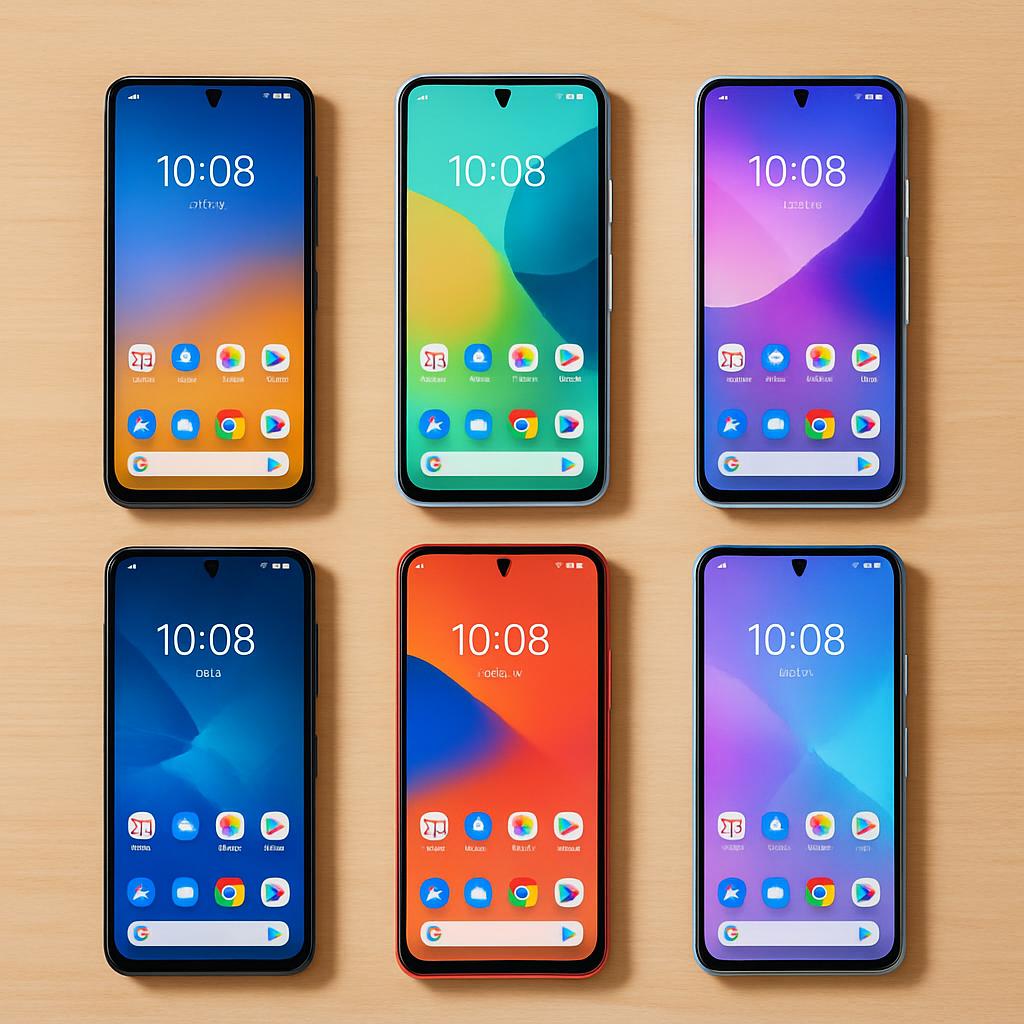
Focus on five things that determine long-term satisfaction: chipset, display, battery and charging, camera quality, and software update length. Raw benchmark scores matter far less than how the phone feels after 18 months of daily use. The key specs to watch are the SoC (chip), RAM and storage, battery size and charging speed, camera sensor quality plus software processing, and manufacturer update policies — and software support and battery health often matter more than raw benchmark scores for long-term satisfaction.
For everyday responsiveness, set a practical baseline. 6–8 GB RAM and 128 GB storage is a practical baseline in 2026 for most users. On the display, don’t settle for a 60Hz panel anymore. 90Hz is the minimum; 60Hz refresh rates are noticeably choppy compared to modern options. Charging speed deserves attention too — anything under 25W feels slow in 2026, and fast charging makes a real quality-of-life difference.
How long should software support last?
Software support is the single most underrated spec, because it dictates when your phone effectively becomes unsafe to use. The differences between brands are enormous. Software support is the real limiting factor: Google Pixel phones offer 7 years of updates, Samsung offers 4–5 years, while Motorola and OnePlus Nord lines typically get 1–2 OS updates. If you plan to keep a phone three years or longer, a Pixel or Samsung is almost always the smarter long-term value, even if a cheaper rival looks better on a spec sheet today.
New or refurbished — which is the better value?
Refurbished can be the single best way to stretch a budget, especially for last-generation flagships. Certified refurbished units often offer excellent value with warranties. A refurbished iPhone 13 or a discounted Pixel 9a frequently beats a brand-new phone at the same price on camera and chip performance. The catch is verifying the seller and warranty. Buy from reputable sellers and keep the receipt and warranty for peace of mind. Certified programs from Back Market, Amazon Renewed, or the manufacturer itself give you return windows and graded condition reports that random marketplace listings don’t.
Which budget phone is best for your specific use case?
The best budget phone depends entirely on your top priority — there is no single winner for everyone. Each lineup serves a different buyer: Galaxy A-series models appeal to those who want balance, long support, and a familiar ecosystem; Pixel A-series models attract users who prioritize camera performance and clean software with fast updates; and OnePlus Nord and similar devices speak to people who want speed, smooth displays, and fast charging. Pick one or two things that matter most to you, then narrow from there.
For most buyers who just want “the best phone under $400,” the camera-and-software combination of a Pixel is the safe default. The Google Pixel 9a is the strongest choice among the best phones under $400 in 2026 — originally launched at $499, it is currently discounted to $379–$399 following the release of the Pixel 10a, making it exceptional value. It also future-proofs you better than anything else here. Despite being a year older, the Pixel 9a ensures you receive day-one software updates and is expected to be supported until the year 2032.
Which phone has the best camera for the money?
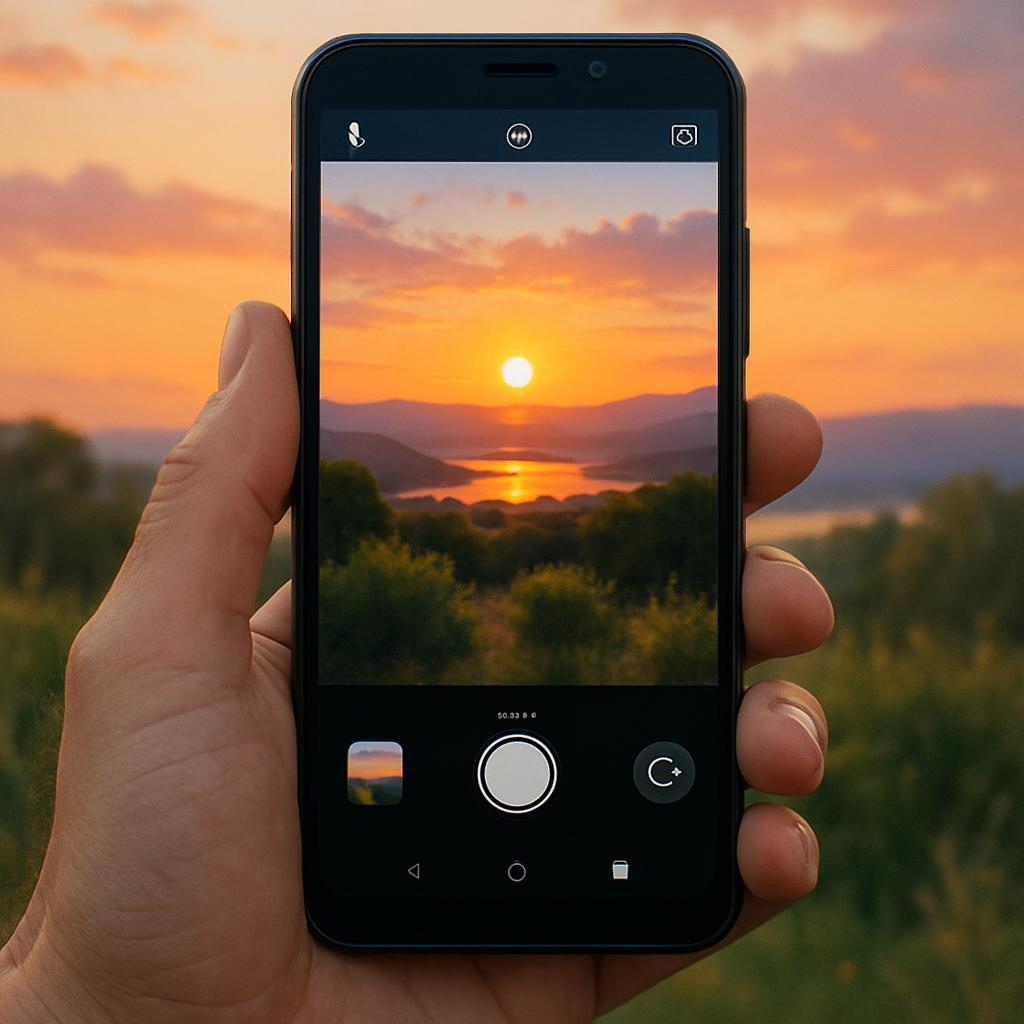
The Pixel 9a wins the camera category decisively, and it isn’t close. Among phones under $400, the Google Pixel 9a clearly dominates thanks to Google’s computational photography and AI tools. The hardware backs this up: it features a 48 MP plus 13 MP dual rear camera and a 13 MP front camera, and packs a 5100 mAh battery with 23W fast charging. Reviewers consistently rate it the photography benchmark for the tier. The 48-megapixel primary camera captures great shots, and paired with Google’s computational photography, the Pixel 9a is likely the best camera experience on a sub-$500 smartphone you can get. If photos are your priority, this is the pick.
Which phone is best for battery life?
For multi-day endurance, Motorola’s Moto G Power line leads the budget pack. If battery life is your top priority, the Moto G Power (2026) remains one of the strongest options, with a 5,200 mAh battery that genuinely lasts two days for most users. Motorola’s broader G series is built around this strength. The Moto G series excels at battery life, with recent models lasting 2+ days with normal use thanks to efficient processors paired with 5000mAh batteries that outlast most competitors. The trade-off is a cheaper LCD panel and a camera that’s merely adequate, so it’s best for people who value endurance over photography.
What do real-world reviews and tests actually show?
Real-world reviews confirm that 2026’s budget phones perform far better than their price suggests, with caveats clustered around charging speed, low-light photos, and chipset power for heavy gaming. Budget phones in 2026 handle daily tasks, social media, streaming, and photography at a level that was flagship-only three to four years ago; the biggest gaps versus $1,000+ phones are in video quality, zoom range, and build materials — and for most people those differences don’t justify a $500+ premium.
The Pixel 9a’s battery surprised testers given Google’s historically mediocre endurance. In testing, the Pixel 9a delivered excellent battery life, with the phone sometimes lasting up to two days on a single charge — which makes sense given it has a larger battery than the Pixel 10 Pro. Its weak point is charging speed. The Pixel 9a charges at just 23W, the slowest in its class; if fast charging is a priority, the Nothing Phone (3a) at 50W or the Galaxy A36 at 45W are better options. That’s the classic budget trade-off in action — you rarely get every strength in one device.
Samsung’s value play sits at the very edge of the budget. At around $399.99, the Galaxy A36 5G delivers a vibrant 6.7-inch Super AMOLED display with 120Hz refresh and FHD+ resolution, a solid 5,000 mAh battery, six OS upgrades and six years of security updates, plus IP67 water and dust resistance. One caution worth flagging: the A36’s sequel is expected to cost more than $400 due to rising component prices impacting the mobile industry, which is a reason to consider current-generation deals sooner rather than later. Independent battery testing also gives Motorola an edge — PhoneArena’s tests show the Moto G Power (2026) edging the A36 on browsing and video endurance.
How do the top budget phones under $400 compare?
Here’s the head-to-head. All prices are approximate USD ranges as of mid-2026 and will vary by retailer, promotion, and storage tier — always confirm the live price before purchasing. Specs marked “per manufacturer spec” come from official listings rather than independent lab tests.
| Model | Approx. Price (USD) | Key Specs That Matter | Software Support | Best For |
|---|---|---|---|---|
| Google Pixel 9a | ~$379–$420 new | Tensor G4, 6.3″ 120Hz OLED, 48MP camera, 5,100mAh, 23W | 7 years (to ~2032) | Best overall + best camera |
| Samsung Galaxy A36 5G | ~$215–$400 | Snapdragon 6 Gen 3, 6.7″ 120Hz AMOLED, 5,000mAh, 45W, IP67 | 6 OS / 6 yrs security | Best display + ecosystem |
| Motorola Moto G Power (2026) | ~$250–$290 | ~5,200mAh battery, clean Android, 50MP camera (per mfr spec) | 1–2 OS updates | Best battery life |
| Nothing Phone (3a) | ~$329–$459 (limited US) | Snapdragon 7s Gen 3, 6.77″ AMOLED, 50MP, 50W charging | ~3 OS updates | Best design + fast charging |
| OnePlus Nord 4 | ~$350–$450 (region-dependent) | Snapdragon 7+ Gen 3, 6.74″ AMOLED, fast charging | ~4 OS updates | Best raw performance |
| iPhone 13 (refurbished) | ~$380–$420 refurb | A15 Bionic, 6.1″ OLED (60Hz), 5G, dual camera | Multi-year iOS support | Best for iOS / Apple users |
| Samsung Galaxy A16 5G | ~$150–$200 | 5G, AMOLED, 5,000mAh (per mfr spec) | 6 yrs (Samsung policy) | Best ultra-budget |
Quick honest pros/cons. The Pixel 9a‘s strength is its camera and 7-year support; its real limitation is slow 23W charging. The Galaxy A36 has a gorgeous AMOLED and great durability, but its Snapdragon 6 Gen 3 is mid-tier for heavy gaming. The Moto G Power wins on battery and price, but software support is short. The Nothing Phone (3a) looks fantastic and charges fast, but U.S. beta-only access leaves some AT&T and Verizon users without service, making it a hard sell for North American buyers. The OnePlus Nord 4 is the performance king — after analyzing all the data, reviewers conclude the OnePlus Nord 4 is definitely a better buy than the Nothing Phone (3a) on raw value — but U.S. availability and camera tuning lag. The refurb iPhone 13 gets you Apple’s ecosystem and a strong chip, but you’re stuck on a 60Hz screen.
How do you choose the right budget phone — a practical checklist
Choose by ranking your priorities first, then matching them to the table above — don’t start from a model name. Prioritize one or two key features, check software update policies, compare real-world tests, then shortlist two models, read camera and battery reviews, and buy from a seller with a clear returns policy. Here’s a structured way to run that process so you don’t overpay or overlook a dealbreaker.
The pre-purchase checklist:
- Set your true ceiling. Decide whether you’re a sub-$200, sub-$300, or sub-$400 buyer. The $150–$200 tier (Galaxy A16) covers calls, texts, social, and light photos; the $350–$400 tier buys flagship-grade cameras and longer support.
- Pick ONE top priority: camera (Pixel 9a), battery (Moto G Power), display (Galaxy A36), performance (OnePlus Nord 4), or ecosystem (refurb iPhone 13).
- Check the update timeline against how long you’ll keep it. Keeping it 4+ years? Go Pixel or Samsung. Upgrading in 2 years? Motorola’s shorter support is fine.
- Confirm carrier compatibility — critical for Nothing and OnePlus in the U.S., where band support and official sales can be limited.
- Verify the live price and storage tier before buying; sale prices on the Pixel 9a and A36 swing by $50–$100 week to week.
- Consider certified refurbished for a generation-old flagship if camera or chip power outranks having the newest model.
Common mistakes to avoid: Don’t buy a 60Hz LCD phone in 2026 unless price is the only factor — high refresh is now standard and the difference is obvious daily. Don’t ignore charging speed; a phone that takes two hours to refill is a quiet daily annoyance. Don’t overspend on RAM you won’t use — 8GB is plenty for this tier. And don’t buy a phone with a short update window if you tend to keep devices until they break, because most budget phones last 3–5 years on hardware, but software support is the real limiting factor.
One more decision rule worth internalizing: the chip determines your gaming ceiling. The OnePlus 12R runs a Snapdragon 8 Gen 2 — the same chip that powered 2024’s top-tier flagships — and in benchmark terms it outperforms most budget phones by a wide margin, with apps opening faster and games running smoother. If you play demanding titles, prioritize a Snapdragon 7-series or better and accept a slightly weaker camera as the trade.
Bottom line: who should buy which budget phone in 2026
If you want the simplest correct answer, buy the Google Pixel 9a. It delivers the best camera under $400, the longest support window of anything here, and frequently sells in the $379–$399 range now that the Pixel 10a has launched. It’s the phone to recommend to anyone who just says “give me the best phone under $500,” because Google’s Tensor chip gives it the same AI photo editing, Call Screening, and on-device transcription as the flagship Pixel. For most readers, the decision ends there.
From there, match by need. Choose the Samsung Galaxy A36 5G if you want the brightest AMOLED screen, IP67 durability, and deep Samsung ecosystem integration at the lowest possible price. Choose the Moto G Power (2026) if two-day battery life and the lowest price beat everything else for you. Choose the OnePlus Nord 4 (or a refurbished OnePlus 12R) if you’re a mobile gamer who wants flagship-class speed. And if you’re already in Apple’s world, a refurbished iPhone 13 keeps you on iOS with a strong chip and 5G for roughly the same money. As a closing reminder: prices and availability are based on US market data as of mid-2026 and may vary by retailer and current promotions — verify the live price and your carrier bands before you check out.
The broader takeaway is that 2026 is genuinely a great year to buy cheap. The best phones under $400 have reached a new level of maturity — you can now get outstanding cameras, smooth performance, multi-day battery life, and several years of software updates, all without paying flagship prices. Decide your one non-negotiable priority, confirm support length and carrier fit, and you’ll land on a phone that stays useful for years.
Frequently Asked Questions
Top Picks to Check on Amazon
Ready to buy? The Google Pixel 9a, Samsung Galaxy A36 5G, and Motorola Moto G Power (2026) are all widely available through major retailers, and certified refurbished Pixel and iPhone models often appear at steep discounts on trusted programs like Amazon Renewed and Back Market. Check current pricing and stock through the links on this page, and compare storage tiers before you commit — the 256GB version is often only marginally more than 128GB during sales.
Disclosure: This post contains affiliate links. We may earn a commission at no extra cost to you.
